

Toothache: When to Monitor, Call Soon or Seek Urgent Dental Care
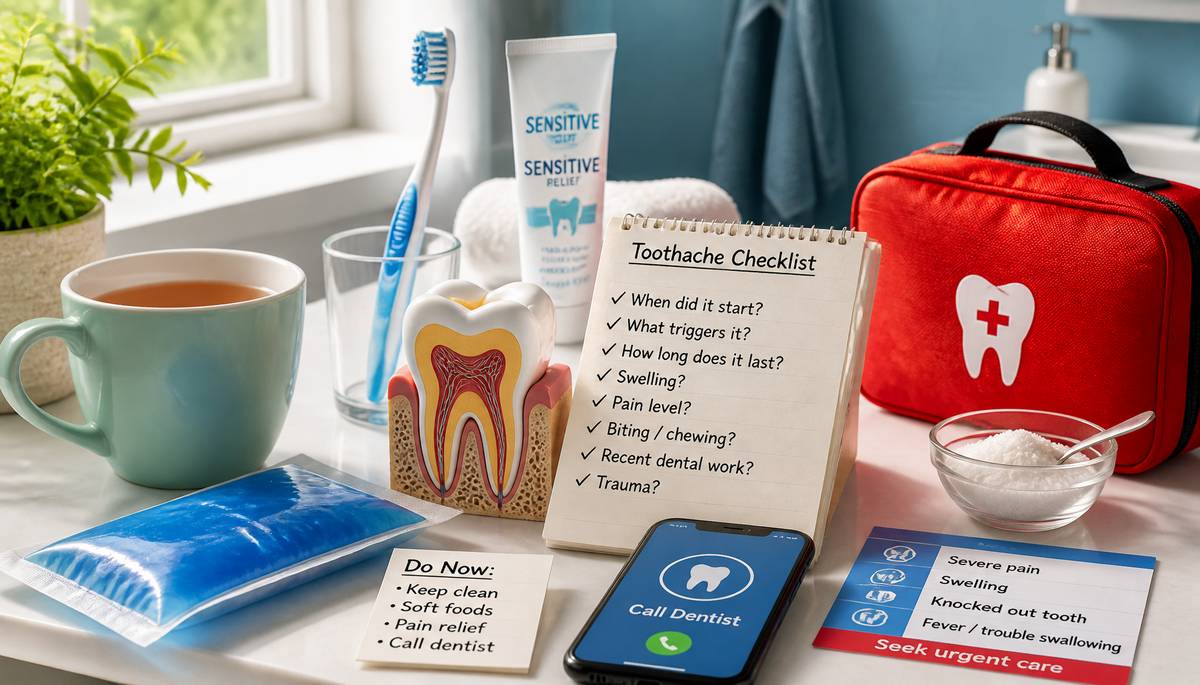 A toothache has a remarkable talent for arriving at the least convenient moment. It may announce itself during a quiet cup of tea, midway through a meal, or at eleven at night when every ordinary discomfort acquires the dramatic lighting of a medical thriller. The useful question is not simply, “Does this hurt?” It is, “What is this pain telling me to do next?”
Most dental discomfort does not require an emergency dash across town. Equally, some symptoms should not be left to “see how it feels after the weekend.” A calm decision process can help separate a passing irritation from a problem that needs prompt attention.
Start With the Pattern Rather Than the Panic
Brief sensitivity to cold, heat or sweetness can happen for several reasons. Exposed tooth roots, early enamel wear, a small cavity, gum recession and recently completed dental work can all make a tooth react sharply for a few seconds. If the discomfort is mild, clearly linked to a trigger and disappears quickly once that trigger is gone, it is usually reasonable to monitor it for a short period.During that time, avoid repeatedly testing the tooth with iced drinks, hard foods or a spoonful of something sugary. A tooth is not a laboratory specimen, and it rarely appreciates being poked every twenty minutes to see whether it has changed its mind. Use a soft toothbrush, continue cleaning carefully around the area and consider a toothpaste made for sensitivity.
Keep a note of what sets the pain off. Does it happen only with cold drinks? Does it strike when biting on one particular side? Does it linger for minutes rather than seconds? These details can make a dental appointment far more productive than the understandably broad report that “one of them hurts somewhere.”
Reasons to Arrange an Appointment Soon
Call a dentist in the near future if sensitivity becomes more frequent, lasts longer after a trigger, or begins appearing without an obvious cause. A dull ache, pain when chewing, a rough edge on a tooth or a filling that feels different can point to a crack, decay, a loose restoration or inflammation around the tooth.A broken filling, crown or veneer does not always produce dramatic pain, but it deserves attention. The damaged area can expose sensitive tooth structure, trap food and leave the remaining tooth more vulnerable to fracture. Save any sizeable piece that comes away if possible, avoid chewing on that side and arrange to have it assessed. Chewing nuts on a compromised tooth is an unwise way to discover how much force a molar can endure.
Bleeding gums that persist despite gentle daily cleaning, bad breath that does not improve, or a recurring unpleasant taste should also be checked. These signs may relate to gum disease or infection and are easier to address before they turn into a more involved problem.
When Pain Stops Being a Wait-and-See Problem
Severe, throbbing pain that disrupts sleep, prevents normal eating or does not settle with appropriate over-the-counter pain relief warrants urgent dental advice. The same applies when a tooth becomes intensely sensitive to heat or cold and the pain lingers well after the trigger has gone. Persistent pain can indicate irritation or infection within the tooth, and delay may reduce the available treatment options.Swelling is particularly important. A swollen gum, jaw, cheek or face can signal an infection that needs rapid assessment. Contact an urgent dental service promptly, especially if swelling is increasing. If swelling affects breathing or swallowing, or is accompanied by fever, confusion or significant difficulty opening the mouth, seek emergency medical care immediately.
Trauma Needs a Faster Response
A knocked, cracked or displaced tooth should be treated as urgent, even when pain seems manageable. Dental injuries can involve damage below the gum line or inside the tooth that is not immediately obvious. Children and adults alike may feel relatively fine after a fall, sports collision or unfortunate encounter with a cupboard door, then discover the tooth changes colour or becomes painful later.If a permanent tooth has been completely knocked out, handle it only by the crown, which is the part normally visible above the gum. Do not scrub the root. If it is dirty, rinse it briefly with milk or saline if available, and try to place it gently back into its socket if this can be done safely. If not, keep it moist in milk or tucked between the cheek and gum for an older child or adult who can do so without swallowing it. Seek urgent dental care immediately. Time matters greatly in this situation.
A baby tooth should not be pushed back into place, as this could damage the developing adult tooth beneath it. Contact a dentist promptly for advice instead.
What to Do While You Arrange Care
Until a dentist can examine the problem, keep the area as clean as comfort allows. Rinse gently with warm salt water, eat softer foods and avoid chewing on the painful side. A cold compress placed against the outside of the cheek may help with swelling or discomfort after an injury.Over-the-counter pain relief may be suitable for many adults when used exactly as directed on the packet, but it is not a substitute for assessment when symptoms are severe or worsening. Never place aspirin directly on a tooth or gum. It does not perform secret dental wizardry; it can burn the surrounding tissue and create an additional problem nobody ordered.
Avoid using sharp objects to dig around a painful tooth, and do not attempt to repair a broken filling with household glue. Temporary dental repair materials from a pharmacy may offer a short bridge in some circumstances, but they are only temporary. Teeth have a long memory for improvised engineering.
Keep the Useful Details Ready
When calling for advice, explain when the pain began, whether it is constant or trigger-related, whether there is swelling, and whether biting makes it worse. Mention recent treatment, trauma, fever, facial swelling or a damaged restoration. Clear information helps the dental team judge the urgency and arrange the right type of appointment.A toothache need not become either a crisis ignored or a crisis invented. Mild, brief sensitivity can often be observed carefully; persistent pain, damaged dental work and signs of infection deserve a timely call; swelling, severe pain and trauma demand faster action. The sensible route is not bravery or alarm. It is giving the tooth the amount of attention it has actually earned.
Rooting for a Quicker Recovery
Early action often means simpler treatment, less discomfort and fewer nights spent negotiating with a throbbing molar. Listen to the pattern, note the warning signs and make the call when the evidence points that way. Your tooth may be small, but it is perfectly capable of filing a very persuasive complaint.Article kindly provided by smilesofriverstone.com
Latest Articles
- Toothache: When to Monitor, Call Soon or Seek Urgent Dental Care
- Your Donor Hair Is a Finite Resource: Why Hair Restoration Needs a Long-Term Budget
- Why Your Fitness Routine Needs More Easy Days, Not More Hard Ones
- The Hidden Hair Loss Triggers Most People Never Think About
- The Mouth-Body Connection Most People Ignore
- The Psychology of Texture in Wellness Photography
- When DIY Beauty Goes Too Far: Treatments Better Left to Professionals
- The Hidden Link Between Jaw Tension and Everyday Headaches
- Sleep Timing Shapes Hormones More Than You Think
- How Subconscious Habits Affect Your Skin Health
- Fragrance Fatigue Is Real: How Smaller Bottles Help Your Nose Stay Sharp
- Traveling with a Baby: Smart Packing Strategies for Modern Parents
- How Oral Health Quietly Influences Energy Sleep and Long Term Well Being
- How Emotions Affect Your Skin
- Everyday Walks as Brain Games for Your Dog
- How Light Weights Can Build Serious Strength
- Missing Dental Supplies and What They're Really Telling You
- Rethinking Early Intervention Strategies for Childhood Behavior Support
- Keep Going: The Brain Science of Turning Setbacks Into Momentum
- Designing Movement Routines That Don't Feel Like Exercise
- Nutrition and Dietetics
- Exercise and Fitness
- Meditation and Yoga
- Mental Health
- Women's Health
- Men's Health
- Children's Health
- Senior Health
- Heart Health
- Sleep Health
- Skin Health
- Eye Health
- Dental Health
- Pain Management
- Addiction and Recovery
- Sexual and Reproductive Health
- Alternative Medicine
- Chronic Conditions
- Weight Management
- Occupational Health and Safety
- Public Health
- General Health Tips
- Beauty