

When DIY Beauty Goes Too Far: Treatments Better Left to Professionals
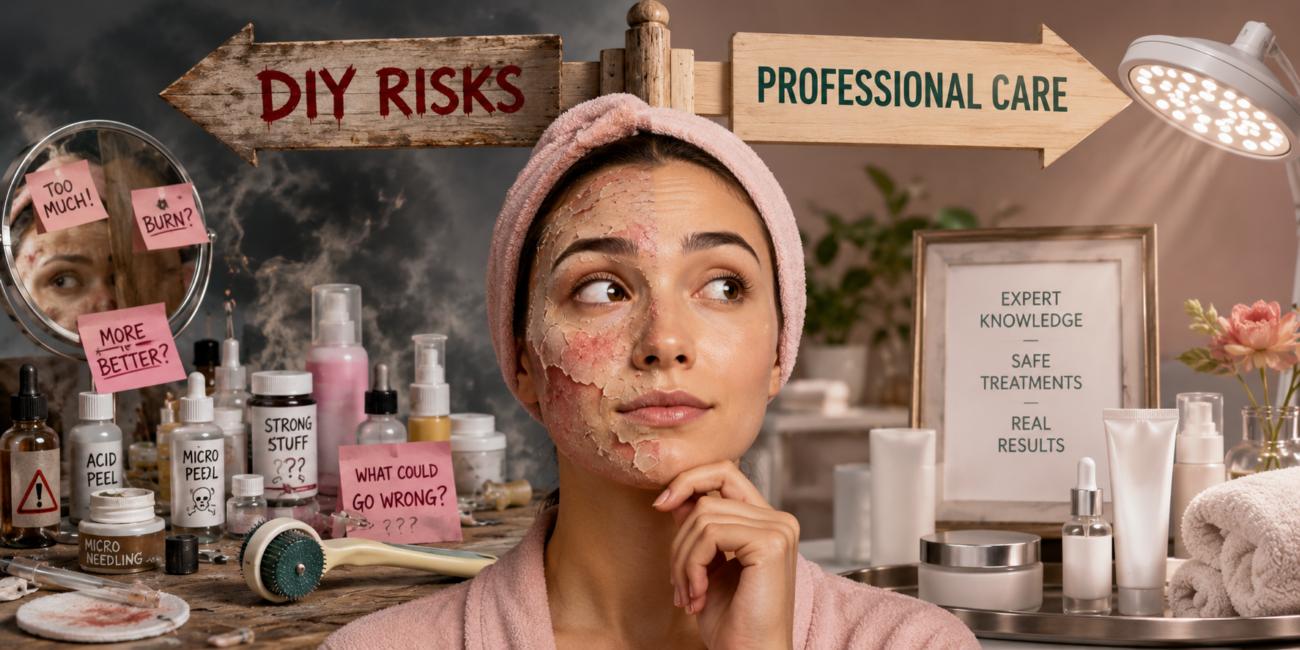 Skincare shelves used to hold cleanser, moisturizer, and maybe a heroic jar of cold cream. Now they resemble chemistry labs with prettier packaging and better lighting. One swipe promises glass skin, another vows to erase years, and somewhere between vitamin cocktails and acid toners, many people begin wondering whether they need a degree in dermatology just to wash their face.
Home skincare is not the villain of this story. Many at-home treatments are useful, affordable, and genuinely effective. Consistent cleansing, sun protection, hydration, and carefully chosen active ingredients can improve tone and texture over time. Problems start when curiosity turns into experimentation worthy of a reality show challenge.
Peels Are Not Just Fancy Face Scrubs
Chemical peels have become especially tempting thanks to social media transformations and easy online shopping. At their best, peels can brighten skin, soften discoloration, and encourage smoother texture by removing damaged surface layers. At their worst, they can leave skin angry enough to file formal complaints.Not all acids behave the same way. Alpha hydroxy acids such as glycolic and lactic acid typically target surface concerns, while beta hydroxy acids like salicylic acid can penetrate oil and help with congestion. Concentration matters. So does pH. Application time matters too, despite what a late-night impulse might suggest.
A serious issue with strong at-home peels is the assumption that more equals better. That mindset works for saving money and collecting houseplants. Skin rarely cooperates. Overusing acids or applying professional-strength products without supervision may lead to burns, prolonged redness, peeling, hyperpigmentation, and impaired skin barriers.
Sometimes the damage is not dramatic at first. Skin may simply become tight, reactive, and unusually sensitive. Makeup suddenly stings. Moisturizer feels inadequate. Even sunlight starts acting like an uninvited critic.
Professional peels are different because they involve evaluation, controlled application, and post-treatment guidance. A trained provider considers skin tone, medical history, sensitivity, and healing ability before selecting a treatment. That step matters far more than dramatic before-and-after photos.
Microneedling and the Myth of Instant Perfection
Microneedling may sound harmless, partly because the word "micro" makes everything seem adorable. Microgreens. Microcars. Microneedles. Yet this treatment intentionally creates controlled micro-injuries to stimulate collagen production.Performed correctly, microneedling can help improve acne scars, texture irregularities, and fine lines. Performed carelessly at home, it can introduce bacteria, worsen inflammation, and create uneven results that linger far longer than the enthusiasm that inspired them.Regular home rollers and microneedling devices vary enormously in quality. Needle length, pressure, sanitation, and technique all influence outcomes. One online tutorial may make the process look as casual as frosting cupcakes, but skin is less forgiving than pastry.
Serious professionals follow strict hygiene standards and understand how deeply to treat different concerns. Acne scarring requires a different approach than mild texture refinement. Certain skin conditions, including active acne, rosacea flare-ups, or compromised barriers, may make microneedling unsuitable altogether.
Infections and scarring are not scare tactics invented to spoil anyone's skincare enthusiasm. They are legitimate risks when devices are poorly sterilized or used aggressively. Skin trauma can also trigger post-inflammatory hyperpigmentation, particularly in deeper skin tones. This is one reason professional assessment matters.
When Skincare Turns Into Guesswork
Not every skincare mishap involves needles or acids. Sometimes trouble arrives through layering products with impressive names and questionable compatibility.A common mistake involves combining too many active ingredients at once. Retinoids, exfoliating acids, benzoyl peroxide, and strong vitamin C products can each serve useful purposes, but using them together without understanding their effects may overwhelm the skin.
The pursuit of rapid transformation often fuels this cycle. One product appears helpful, so another is added for faster improvement. Then a serum joins the party. Soon the evening routine takes longer than assembling flat-pack furniture and produces roughly the same emotional atmosphere.
Barrier damage is often the result. Healthy skin relies on a protective barrier that retains moisture and defends against irritation. When that barrier becomes compromised, skin may become dry, inflamed, flaky, or persistently irritated.
Some warning signs deserve attention rather than determination:
- Burning or stinging that continues after product use
- Persistent redness or swelling
- Sudden sensitivity to familiar products
- Peeling that feels painful rather than mild
- Breakouts that worsen significantly
- Darkening or uneven pigmentation after treatment
Polished Not Punished
Healthy skincare does not require fear or complete dependence on professional treatments. Plenty of effective care happens at home. Gentle cleansing, daily sunscreen, moisturizers suited to skin type, and thoughtfully introduced actives often produce steady improvements without drama.Professional care becomes particularly valuable for deeper resurfacing, significant acne scarring, stubborn pigmentation, vascular concerns, or treatments involving substantial skin injury. Expertise helps reduce risk while improving the likelihood of meaningful results.
Patience remains one of the least glamorous but most powerful skincare tools available. Skin responds to consistency more reliably than intensity. Chasing overnight transformation can lead to setbacks that take months to repair.
A glowing complexion should not require bravery, regret, or emergency internet searches at two in the morning. Thoughtful choices and realistic expectations usually outperform aggressive experimentation. Skin has an impressive ability to heal and improve when treated with respect rather than challenged to survive a cosmetic obstacle course.
Article kindly provided by puredermnola.com
Latest Articles
- Toothache: When to Monitor, Call Soon or Seek Urgent Dental Care
- Your Donor Hair Is a Finite Resource: Why Hair Restoration Needs a Long-Term Budget
- Why Your Fitness Routine Needs More Easy Days, Not More Hard Ones
- The Hidden Hair Loss Triggers Most People Never Think About
- The Mouth-Body Connection Most People Ignore
- The Psychology of Texture in Wellness Photography
- When DIY Beauty Goes Too Far: Treatments Better Left to Professionals
- The Hidden Link Between Jaw Tension and Everyday Headaches
- Sleep Timing Shapes Hormones More Than You Think
- How Subconscious Habits Affect Your Skin Health
- Fragrance Fatigue Is Real: How Smaller Bottles Help Your Nose Stay Sharp
- Traveling with a Baby: Smart Packing Strategies for Modern Parents
- How Oral Health Quietly Influences Energy Sleep and Long Term Well Being
- How Emotions Affect Your Skin
- Everyday Walks as Brain Games for Your Dog
- How Light Weights Can Build Serious Strength
- Missing Dental Supplies and What They're Really Telling You
- Rethinking Early Intervention Strategies for Childhood Behavior Support
- Keep Going: The Brain Science of Turning Setbacks Into Momentum
- Designing Movement Routines That Don't Feel Like Exercise
- Nutrition and Dietetics
- Exercise and Fitness
- Meditation and Yoga
- Mental Health
- Women's Health
- Men's Health
- Children's Health
- Senior Health
- Heart Health
- Sleep Health
- Skin Health
- Eye Health
- Dental Health
- Pain Management
- Addiction and Recovery
- Sexual and Reproductive Health
- Alternative Medicine
- Chronic Conditions
- Weight Management
- Occupational Health and Safety
- Public Health
- General Health Tips
- Beauty