

Sleep Timing Shapes Hormones More Than You Think
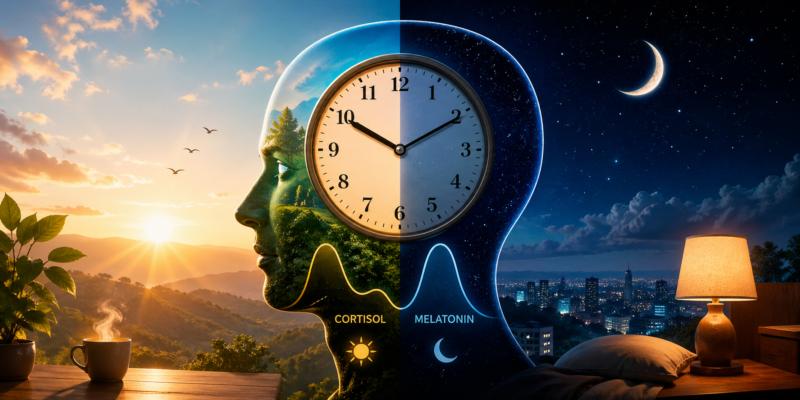 Your alarm clock might be the most powerful hormone regulator in your life, which is a slightly unsettling thought considering how often it gets snoozed into oblivion. Most people obsess over how many hours they sleep, yet overlook when those hours actually happen. Your body, however, is quietly keeping score—and it cares deeply about timing.
Sleep isn't just a passive shutdown. It's a coordinated biological process tied to your internal clock, known as the circadian rhythm. This clock influences the release of hormones like cortisol, which helps you wake up and feel alert, and melatonin, which nudges you toward sleep. When your schedule drifts—late nights here, early mornings there—those signals become confused. And when hormones are confused, everything from your energy to your mood tends to follow.
Why Timing Beats Total Hours
Getting seven hours of sleep from 2 a.m. to 9 a.m. is not the same as getting seven hours from 10 p.m. to 5 a.m. Your body isn't just counting hours; it's syncing with light and darkness. Cortisol typically rises in the early morning, helping you wake up without feeling like a malfunctioning robot. Melatonin, on the other hand, increases in the evening when it gets dark, preparing you for rest.Shift that schedule too often, and these hormones start showing up at the wrong times. Cortisol might spike when you're trying to fall asleep, leaving you wide-eyed and questioning every life decision since 2008. Meanwhile, melatonin might lag in the morning, making you feel groggy even after a full night's sleep.
Consistency is what allows these signals to line up properly. Without it, your internal clock behaves like someone constantly resetting their watch in different time zones—except there's no vacation involved.
What Happens When Your Rhythm Drifts
An inconsistent sleep-wake cycle does more than make mornings unpleasant. It disrupts the rhythm of hormonal signaling throughout the day. Cortisol may become erratic, leading to energy crashes or that jittery, wired feeling that isn't quite productive. Melatonin production can become delayed, making it harder to fall asleep at a reasonable hour.Over time, this misalignment can affect appetite hormones, mood regulation, and even how your body processes stress. You might find yourself craving quick energy fixes, struggling to concentrate, or feeling oddly emotional over minor inconveniences—like dropping your phone and watching it bounce in slow motion toward the floor.
There's also a feedback loop at play. Poor timing leads to poor sleep quality, which then makes it harder to maintain a consistent schedule. Before long, your sleep pattern resembles a chaotic social calendar rather than a reliable routine.
Light Exposure Sets the Clock
Your circadian rhythm is heavily influenced by light, particularly natural sunlight. Morning light exposure tells your brain to suppress melatonin and increase cortisol, effectively starting your day. Without it, your body may remain in a low-energy, semi-sleep state longer than necessary.Artificial light at night does the opposite. Bright screens and overhead lighting can delay melatonin release, tricking your brain into thinking it's still daytime. This is why scrolling late at night often leads to the classic "why am I suddenly not tired anymore" moment.
A few simple adjustments can make a noticeable difference:
- Get outside within an hour of waking, even if it's just for 10–15 minutes
- Dim lights in the evening to signal that night is approaching
- Limit screen exposure before bed, or use blue light filters if avoidance feels unrealistic
Resetting a Sleep Schedule Without Losing Your Mind
Shifting your sleep timing doesn't require a dramatic overhaul or a heroic level of discipline. In fact, trying to fix everything in one night usually backfires. Your body prefers gradual adjustments, not sudden declarations of "I am now a morning person" followed by regret.Start by moving your bedtime and wake time in small increments—about 15 to 30 minutes earlier each day if you're trying to shift forward. Pair this with consistent wake times, even on weekends. Yes, this includes Saturdays, which may feel like a personal betrayal at first.
Consistency trains your circadian rhythm more effectively than occasional perfection. One late night won't ruin everything, but a constantly shifting schedule will keep your hormones guessing.
It also helps to anchor your day with predictable cues. Eating meals at similar times, getting light exposure in the morning, and winding down at night all reinforce your internal clock. Think of it less like strict discipline and more like giving your body a reliable script to follow.
Evening Habits That Actually Signal Sleep
Your brain doesn't switch from "fully alert" to "deep sleep" instantly. It needs a transition period, and your evening habits play a major role in setting that tone. If your nights are filled with bright lights, stimulating content, and late snacks, your body receives mixed signals about whether it's time to rest or stay awake and solve imaginary problems.Creating a wind-down routine doesn't need to be elaborate. It just needs to be consistent and calming. Some effective approaches include:
- Lowering lighting levels an hour before bed
- Switching to quieter activities like reading or stretching
- Keeping a regular "cut-off" time for work or mentally demanding tasks
Morning Routines That Reinforce Energy
Mornings are just as important as evenings when it comes to regulating hormones. Waking up at a consistent time helps stabilize cortisol release, making it easier to feel alert without relying entirely on caffeine as a personality trait.Movement, light exposure, and a predictable start to the day all strengthen your circadian rhythm. Even a short walk or a few minutes of stretching can signal to your body that it's time to be awake and engaged.
Skipping these cues—especially light exposure—can leave your system in a sluggish state, delaying the natural rise in energy you're supposed to feel. This often leads to a cycle of grogginess followed by late-day alertness, which then pushes bedtime later again. It's not exactly a winning loop.
Timing Is Everything You Didn't Realize
Sleep quality isn't just about how long you rest; it's about when that rest occurs and how consistently it's maintained. Hormones like cortisol and melatonin rely on predictable timing to function properly, and when that timing is off, the effects ripple through your entire day.Aligning your sleep schedule with natural rhythms doesn't require perfection. It requires awareness and a willingness to treat timing as something that matters, not just an afterthought. Once your body knows when to expect sleep and wakefulness, it does a remarkable job of handling the rest—no dramatic interventions required, just a bit of consistency and fewer midnight negotiations with your phone.
Article kindly provided by hormoneharmonyhq.health
Latest Articles
- Why Your Body Repairs Some Injuries Quickly While Others Take Months
- Could Your Home's Plumbing Be Affecting Your Health Without You Realising?
- Toothache: When to Monitor, Call Soon or Seek Urgent Dental Care
- Your Donor Hair Is a Finite Resource: Why Hair Restoration Needs a Long-Term Budget
- Why Your Fitness Routine Needs More Easy Days, Not More Hard Ones
- The Hidden Hair Loss Triggers Most People Never Think About
- The Mouth-Body Connection Most People Ignore
- The Psychology of Texture in Wellness Photography
- When DIY Beauty Goes Too Far: Treatments Better Left to Professionals
- The Hidden Link Between Jaw Tension and Everyday Headaches
- Sleep Timing Shapes Hormones More Than You Think
- How Subconscious Habits Affect Your Skin Health
- Fragrance Fatigue Is Real: How Smaller Bottles Help Your Nose Stay Sharp
- Traveling with a Baby: Smart Packing Strategies for Modern Parents
- How Oral Health Quietly Influences Energy Sleep and Long Term Well Being
- How Emotions Affect Your Skin
- Everyday Walks as Brain Games for Your Dog
- How Light Weights Can Build Serious Strength
- Missing Dental Supplies and What They're Really Telling You
- Rethinking Early Intervention Strategies for Childhood Behavior Support
- Nutrition and Dietetics
- Exercise and Fitness
- Meditation and Yoga
- Mental Health
- Women's Health
- Men's Health
- Children's Health
- Senior Health
- Heart Health
- Sleep Health
- Skin Health
- Eye Health
- Dental Health
- Pain Management
- Addiction and Recovery
- Sexual and Reproductive Health
- Alternative Medicine
- Chronic Conditions
- Weight Management
- Occupational Health and Safety
- Public Health
- General Health Tips
- Beauty