

How Oral Health Quietly Influences Energy Sleep and Long Term Well Being
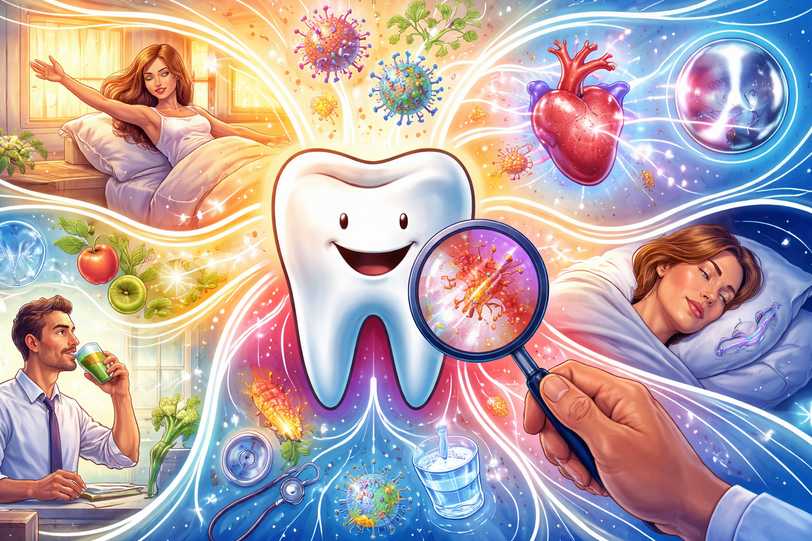 Teeth rarely get credit for anything beyond photos and the occasional popcorn disaster, yet they participate in far more of daily life than most people notice. A mouth in poor condition does not politely keep its problems contained. It communicates with the rest of the body through inflammation, disrupted breathing, and subtle stress signals that accumulate quietly over months or years.
Energy levels are often blamed on sleep schedules, caffeine intake, or mysterious adult responsibilities. Oral health almost never makes the suspect list. Still, chronic gum irritation and untreated infections place the immune system on constant alert. That low-grade internal alarm consumes resources the body would rather spend on healing, focus, and staying awake through afternoon meetings that could have been an email.
Inflammation That Doesn't Stay in One Place
Gums are living tissue connected to circulation, which means inflammation in the mouth does not politely remain local. Research continues to explore links between periodontal disease and conditions involving the heart, metabolism, and immune regulation. While the exact pathways are complex, the pattern is simple: ongoing infection anywhere in the body adds strain everywhere else.Some warning signs are easy to dismiss. Bleeding while brushing gets blamed on "brushing too hard." Persistent bad breath becomes a mint-related lifestyle. Tender gums are ignored until chewing on one side becomes a strategic decision. None of these feel dramatic in isolation, yet together they can signal a system working harder than it should.
There is nothing glamorous about plaque, but it is remarkably committed to its job. Left alone, it organizes, hardens, and recruits bacteria like a tiny overachieving project manager with questionable goals. The immune response follows, inflammation settles in, and fatigue may quietly join the party uninvited.
Sleep Quality Starts Higher Than the Pillow
Nighttime breathing depends heavily on oral structures. Jaw position, tongue posture, and airway space all influence how easily air moves during sleep. When that pathway narrows, the body compensates with micro-awakenings, snoring, or interrupted oxygen flow. Morning grogginess then appears despite a perfectly respectable bedtime.People experiencing poor sleep often search for answers in screens, stress, or mattress technology. Few consider whether grinding, jaw tension, or airway restriction might be contributing. Dentists sometimes spot these clues early through tooth wear patterns, muscle tenderness, or structural alignment that hints at nighttime struggle.
Fatigue connected to sleep disruption behaves differently from ordinary tiredness. Coffee helps briefly, motivation drops quickly, and concentration feels like trying to read through fogged glass. Addressing oral contributors to breathing and jaw comfort can, in some cases, improve rest in ways blackout curtains never could.
These connections do not suggest that every yawn originates in the mouth. They simply reveal that oral health belongs in conversations about overall wellness. When the body finally rests without interruption, even mornings begin to feel slightly less personal.
Small Signals the Body Hopes Someone Notices
The mouth is generous with hints, though it rarely shouts. Subtle sensitivity to temperature, a metallic taste that appears without invitation, or a jaw that feels tight by late afternoon can all point toward underlying strain. Because these sensations arrive gradually, they are easy to normalize. Humans adapt impressively well to discomfort, which is not always a compliment.Recurring headaches sometimes originate far from screens or stress. Muscle tension from clenching or grinding can radiate upward, creating pressure that feels unrelated to teeth at first glance. When enamel shows unusual wear or tiny fractures, it may reveal a nighttime habit happening entirely off the conscious schedule. The body keeps receipts even when memory does not.
Persistent dryness offers another overlooked clue. Saliva supports digestion, protects enamel, and limits bacterial overgrowth. Reduced flow can increase cavity risk, disturb sleep, and leave the mouth feeling like it spent the night wandering a desert without supplies. Hydration matters, but so do medications, breathing patterns, and systemic health factors that influence moisture balance.
When a Dental Visit Becomes a Wider Health Check
Routine examinations are often framed as maintenance for teeth alone, yet they provide a window into broader physiology. Changes in gum condition, tissue color, or healing patterns may reflect nutritional gaps, immune challenges, or blood sugar imbalance. Dentists are trained to notice patterns that seem small individually but meaningful together.This does not transform a dental chair into a crystal ball. It simply highlights an opportunity for early awareness. Discovering inflammation before pain appears can prevent more complex treatment later. Identifying grinding before severe damage forms can protect both sleep and structure. Prevention rarely feels dramatic, though its long-term impact is difficult to overstate.
For anyone uncertain whether symptoms justify attention, a few common indicators deserve consideration:
- Bleeding during brushing or flossing that persists beyond a few days
- Chronic bad breath not explained by diet
- Jaw soreness, clicking, or morning tightness
- Frequent headaches paired with tooth wear
- Ongoing dry mouth or unusual taste changes
A Future Worth Smiling About Without Saying Cheese
Seeing oral care as part of whole-body wellness shifts motivation in a practical way. Brushing and flossing stop being chores assigned by childhood memory and start resembling small daily investments in energy, comfort, and restorative sleep. Regular professional care becomes less about polishing surfaces and more about reducing hidden strain the body quietly carries.Long-term well-being rarely depends on dramatic gestures. It grows from consistent attention to signals that seem minor at first. Healthy gums reduce inflammatory burden. Stable teeth support comfortable nutrition. Unrestricted breathing encourages deeper rest. None of this is flashy, yet the cumulative effect shapes how each day feels from morning clarity to evening fatigue.
A genuine smile, the kind that appears without rehearsal, often reflects systems working smoothly beneath the surface. When oral health receives steady care, the benefits extend far beyond photographs. Energy feels more reliable, sleep becomes less of a negotiation, and the body spends less time managing preventable problems. That quiet upgrade may be one of the most practical forms of self-care available, even if toothpaste commercials remain determined to oversell the sparkle.
Article kindly provided by avoriodental.com
Latest Articles
- Toothache: When to Monitor, Call Soon or Seek Urgent Dental Care
- Your Donor Hair Is a Finite Resource: Why Hair Restoration Needs a Long-Term Budget
- Why Your Fitness Routine Needs More Easy Days, Not More Hard Ones
- The Hidden Hair Loss Triggers Most People Never Think About
- The Mouth-Body Connection Most People Ignore
- The Psychology of Texture in Wellness Photography
- When DIY Beauty Goes Too Far: Treatments Better Left to Professionals
- The Hidden Link Between Jaw Tension and Everyday Headaches
- Sleep Timing Shapes Hormones More Than You Think
- How Subconscious Habits Affect Your Skin Health
- Fragrance Fatigue Is Real: How Smaller Bottles Help Your Nose Stay Sharp
- Traveling with a Baby: Smart Packing Strategies for Modern Parents
- How Oral Health Quietly Influences Energy Sleep and Long Term Well Being
- How Emotions Affect Your Skin
- Everyday Walks as Brain Games for Your Dog
- How Light Weights Can Build Serious Strength
- Missing Dental Supplies and What They're Really Telling You
- Rethinking Early Intervention Strategies for Childhood Behavior Support
- Keep Going: The Brain Science of Turning Setbacks Into Momentum
- Designing Movement Routines That Don't Feel Like Exercise
- Nutrition and Dietetics
- Exercise and Fitness
- Meditation and Yoga
- Mental Health
- Women's Health
- Men's Health
- Children's Health
- Senior Health
- Heart Health
- Sleep Health
- Skin Health
- Eye Health
- Dental Health
- Pain Management
- Addiction and Recovery
- Sexual and Reproductive Health
- Alternative Medicine
- Chronic Conditions
- Weight Management
- Occupational Health and Safety
- Public Health
- General Health Tips
- Beauty