

The Hidden Link Between Jaw Tension and Everyday Headaches
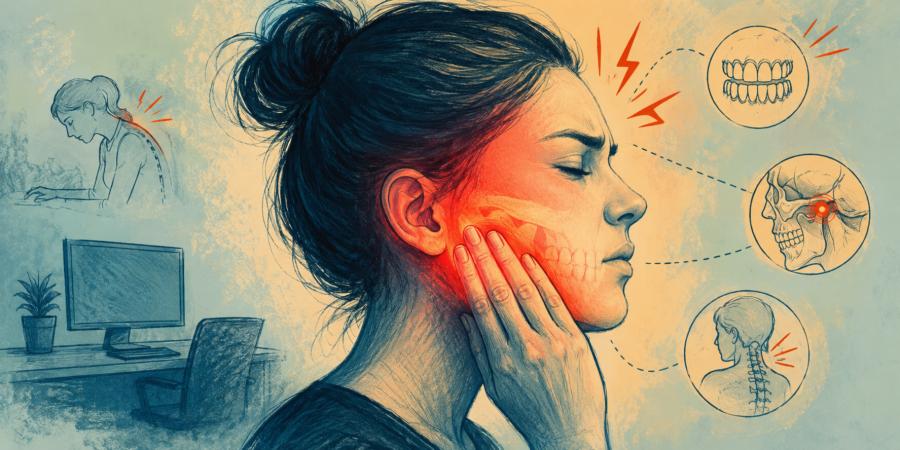 A surprising number of headaches begin nowhere near the forehead. They start quietly in the jaw, usually while someone is answering emails, gripping the steering wheel like it owes them money, or sleeping with enough tension to crack a walnut. The pain then creeps upward, spreading across the temples, behind the eyes, and into the neck until the entire head feels like it has been shrink-wrapped.
Many people blame screens, dehydration, bad sleep, stress, weather changes, caffeine, or Mercury being in retrograde again. Meanwhile, the jaw sits in the corner like an overlooked suspect in a detective movie, trying not to make eye contact.
When the Jaw Starts Causing Trouble
The temporomandibular joints, often shortened to TMJ, connect the jawbone to the skull. These joints work constantly. Talking, chewing, yawning, laughing, and muttering under your breath at slow internet speeds all depend on them functioning properly.When the muscles around the jaw become tight or inflamed, the discomfort rarely stays in one neat location. Tension can radiate into the face, neck, ears, and scalp. That is why some headaches feel strangely difficult to pinpoint. A person may think they have sinus pressure, tension headaches, or even eye strain when the jaw is actually creating the problem.
Teeth grinding, also called bruxism, makes things worse. Many people grind their teeth during sleep without realizing it. Others clench throughout the day while concentrating. The jaw muscles remain partially contracted for hours at a time, which is a bit like holding a grocery bag at arm's length all afternoon and then acting surprised when the arm starts complaining.
Stress Loves the Jaw
Stress has a habit of sneaking into the body through side doors. Some people carry it in their shoulders. Others feel it in the stomach. A large number of people store it directly in the jaw without noticing.During stressful periods, the jaw often tightens automatically. The teeth press together. The tongue stiffens. Facial muscles contract. Over time, this constant pressure irritates muscles and joints that were designed for movement, not endless clenching contests.
Posture also plays a major role. Leaning toward screens pushes the head forward and strains the neck muscles. That imbalance affects the jaw as well because the entire system is connected. A head that spends ten hours a day hovering over a laptop starts behaving less like a human structure and more like a bowling ball balanced on breadsticks.
The result can include:
- Morning headaches
- Jaw soreness or clicking
- Earaches without infection
- Facial tenderness
- Neck stiffness
- Pain behind the eyes
- Difficulty chewing certain foods
Small Clues Most People Ignore
Many jaw-related headaches develop gradually. The symptoms often seem too minor to connect at first.Someone may notice they wake up exhausted despite sleeping eight hours. Another person hears faint clicking while chewing but dismisses it because nothing hurts yet. Others develop tension near the temples every afternoon around the same time they realize they have been hunched over a keyboard since breakfast.
One overlooked clue is tooth wear. Chronic grinding slowly flattens teeth or creates tiny cracks. Dentists spot these patterns quickly because they see the evidence every day. Patients, meanwhile, often assume their teeth are simply "shaped like that now," which is technically true but not especially reassuring.
Another sign involves headaches that improve temporarily with jaw massage or heat. If relaxing the jaw muscles eases the discomfort, that connection matters.
Simple Self Checks at Home
Not every headache points to a jaw problem, but a few basic checks can reveal useful patterns.Place fingertips gently near the jaw joints just in front of the ears. Open and close the mouth slowly. Clicking, popping, or uneven movement may suggest strain or imbalance.
Pay attention to whether the teeth touch during normal daytime activities. Surprisingly, the upper and lower teeth should not constantly rest together. Many people clamp them together all day without realizing it. The jaw muscles never fully relax as a result.
Another useful test involves noticing where headaches appear most often. Pain concentrated near the temples or around the sides of the head frequently overlaps with jaw tension patterns.
Sleep habits also matter. People who wake with sore jaw muscles, sensitive teeth, or headaches may be grinding at night. Sometimes a sleeping partner hears the grinding first, which can be alarming enough to make someone wonder if a raccoon has entered the room.
Ways to Reduce Jaw Related Headaches
Small adjustments can reduce strain significantly when jaw tension is contributing to headaches.One of the simplest techniques is checking in with the jaw throughout the day. If the teeth are clenched, relax them gently. Lips can stay closed while the teeth remain slightly apart. That small change gives the jaw muscles a chance to stop acting like they are preparing for combat.
Improving posture also helps more than many people expect. Screens positioned too low encourage the head to lean forward, increasing pressure on the neck and jaw. Raising monitors closer to eye level and taking regular movement breaks can reduce tension buildup over time.
Heat therapy often provides relief for tight jaw muscles. A warm compress applied near the jaw joints for several minutes may calm irritated tissue and improve circulation.
Stress management matters too, although nobody enjoys hearing the phrase "reduce stress" while staring at unpaid bills and seventeen unread emails. Still, techniques like controlled breathing, stretching, exercise, and better sleep habits genuinely affect muscle tension patterns throughout the body.
Some people benefit from limiting excessively chewy foods during flare-ups. Constant gum chewing can also aggravate already overworked jaw muscles. The jaw deserves a day off occasionally.
When Professional Help Makes Sense
Persistent headaches should never be ignored, especially when symptoms become frequent or severe. While jaw tension is common, headaches can also relate to neurological conditions, migraines, infections, or other medical concerns that require evaluation.Professional assessment becomes especially important if headaches are accompanied by:
- Jaw locking
- Difficulty opening the mouth
- Severe facial pain
- Dizziness
- Numbness
- Sudden changes in headache intensity
- Significant tooth damage
For chronic cases, collaboration between dentists, physicians, and physical therapists sometimes produces the best outcome because jaw pain rarely operates in isolation. Muscles, joints, posture, stress, and sleep habits tend to form one very annoying group project.
Getting to the Root Without Losing Your Mind
Headaches are frustrating partly because their causes are not always obvious. Many people spend years treating the symptoms while overlooking the mechanics happening a few inches lower in the jaw.Recognizing the connection between jaw tension and headaches can change the entire approach to relief. Instead of endlessly cycling through pain relievers and blaming computer screens forever, people can begin addressing the physical habits and muscle strain feeding the discomfort in the first place.
The jaw performs thousands of movements every day with very little appreciation. Most people only notice it once something starts clicking, aching, or sending pain across the side of the head like a passive-aggressive reminder. Paying attention to those signals early may prevent minor tension from turning into a long-term problem.
A calmer jaw often leads to a calmer head. That alone is enough to make anyone unclench a little.
Article kindly provided by austinclaritydental.com
Latest Articles
- Toothache: When to Monitor, Call Soon or Seek Urgent Dental Care
- Your Donor Hair Is a Finite Resource: Why Hair Restoration Needs a Long-Term Budget
- Why Your Fitness Routine Needs More Easy Days, Not More Hard Ones
- The Hidden Hair Loss Triggers Most People Never Think About
- The Mouth-Body Connection Most People Ignore
- The Psychology of Texture in Wellness Photography
- When DIY Beauty Goes Too Far: Treatments Better Left to Professionals
- The Hidden Link Between Jaw Tension and Everyday Headaches
- Sleep Timing Shapes Hormones More Than You Think
- How Subconscious Habits Affect Your Skin Health
- Fragrance Fatigue Is Real: How Smaller Bottles Help Your Nose Stay Sharp
- Traveling with a Baby: Smart Packing Strategies for Modern Parents
- How Oral Health Quietly Influences Energy Sleep and Long Term Well Being
- How Emotions Affect Your Skin
- Everyday Walks as Brain Games for Your Dog
- How Light Weights Can Build Serious Strength
- Missing Dental Supplies and What They're Really Telling You
- Rethinking Early Intervention Strategies for Childhood Behavior Support
- Keep Going: The Brain Science of Turning Setbacks Into Momentum
- Designing Movement Routines That Don't Feel Like Exercise
- Nutrition and Dietetics
- Exercise and Fitness
- Meditation and Yoga
- Mental Health
- Women's Health
- Men's Health
- Children's Health
- Senior Health
- Heart Health
- Sleep Health
- Skin Health
- Eye Health
- Dental Health
- Pain Management
- Addiction and Recovery
- Sexual and Reproductive Health
- Alternative Medicine
- Chronic Conditions
- Weight Management
- Occupational Health and Safety
- Public Health
- General Health Tips
- Beauty