

The Mouth-Body Connection Most People Ignore
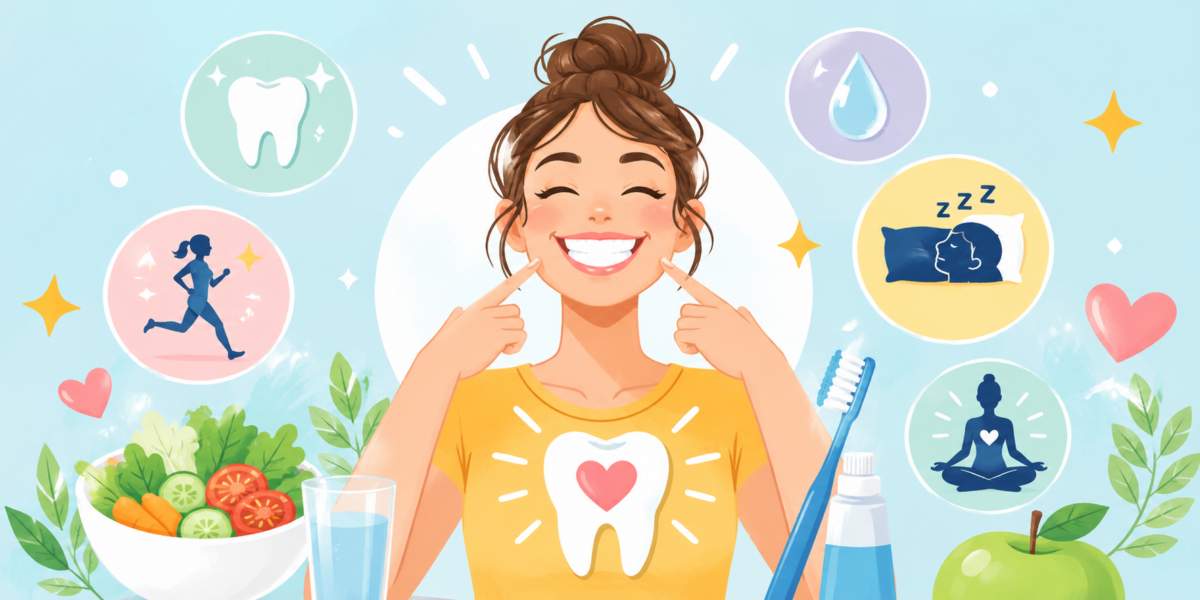 A toothbrush has a surprisingly ambitious job for something that usually lives next to a sink and occasionally gets dropped on the floor. Most people think oral health begins and ends with clean teeth, fresh breath, and avoiding the kind of dental appointment where the chair reclines too dramatically. But the mouth is not an isolated department. It is connected to the rest of the body in ways that can affect comfort, energy, eating habits, sleep, and long-term wellbeing.
The mouth is one of the body's busiest entry points. Food, drinks, air, bacteria, and the occasional regrettable late-night snack all pass through it. When teeth and gums are healthy, the mouth is better equipped to manage that traffic. When gum disease, untreated cavities, infections, or chronic irritation are present, the body may have to respond with inflammation. That response is useful in short bursts, but when it sticks around, it can become exhausting for the body to manage.
Inflammation Does Not Respect Boundaries
Gum inflammation may seem like a small local problem, especially if there is no pain. A little bleeding when brushing can be easy to dismiss. Many people treat it like the gums are simply being dramatic. But bleeding gums are often a sign that the tissues are irritated or inflamed, and that should not be ignored.Inflammation in the mouth can add to the body's overall inflammatory burden. This does not mean every gum problem automatically causes serious illness, but it does mean oral health deserves a seat at the grown-up health table. The gums contain blood vessels, immune cells, and living tissue. When they are irritated for long periods, the body keeps sending resources to deal with the problem. That can contribute to a general feeling of being run down, especially when combined with poor sleep, stress, or an already busy immune system.
A serious tone is needed here: persistent gum swelling, bleeding, loose teeth, bad breath that does not improve, or mouth pain should not be brushed aside. These signs can point to problems that become harder to treat over time. Early attention is usually simpler, less expensive, and much less likely to involve a person staring at the ceiling wondering why they ignored the obvious.
Chewing Shapes What You Eat
Oral health also affects nutrition in a very practical way. When chewing hurts, people naturally avoid certain foods. Crunchy vegetables, nuts, apples, lean proteins, and whole grains may quietly disappear from meals. Softer, easier foods often take their place, and not all of them are nutritional heroes. Mashed potatoes are comforting, but they cannot be expected to carry the entire wellness team.A healthy mouth makes it easier to eat a varied diet, enjoy meals, and digest food properly from the very first bite. Chewing breaks food down and mixes it with saliva, which starts the digestive process before the stomach even gets involved. When teeth are painful, missing, loose, or sensitive, eating can become limited, rushed, or stressful.
Sleep Can Suffer When the Mouth Is Unhappy
Sleep and oral health have a more active relationship than many people realize. Grinding, clenching, jaw tension, dry mouth, and nighttime breathing issues can all affect how rested a person feels the next day. The body may be asleep, but the jaw sometimes behaves like it has accepted a night shift.Teeth grinding can lead to headaches, jaw soreness, tooth sensitivity, and worn enamel. Dry mouth can increase the risk of cavities because saliva helps protect teeth and gums. Mouth breathing during sleep may also leave tissues dry and irritated by morning. None of these issues should be treated as normal just because they happen at night and do not announce themselves with a marching band.
A serious paragraph belongs here too: ongoing jaw pain, frequent morning headaches, cracked teeth, or heavy snoring should be discussed with a qualified health professional. These symptoms can have several causes, and proper evaluation matters. Guessing is useful for game shows, not for health problems that keep repeating.
Small Habits With a Big Reach
The useful part is that improving the mouth-body connection does not require turning life into a full-time wellness project. Most people do not need a 47-step morning ritual, a special robe, or a toothbrush blessed by a mountain elder. Simple habits done consistently can make a real difference.- Brush twice daily with fluoride toothpaste, especially before bed.
- Clean between teeth daily with floss, interdental brushes, or a water flosser.
- Drink water regularly to support saliva and reduce dry mouth.
- Limit frequent sugary snacks and drinks, since constant exposure feeds cavity-causing bacteria.
- Pay attention to bleeding gums, mouth sores, tooth pain, sensitivity, or changes in bite.
- Keep regular dental checkups so small problems can be found before they start demanding a larger budget and a dramatic soundtrack.
Give Your Mouth a Fighting Tooth
The mouth is part of the body, not an accessory bolted onto the front of the face. When it is healthy, it supports eating, speaking, sleeping, comfort, confidence, and overall resilience. When it is neglected, the effects can spread into daily life in ways that are easy to miss at first.Good oral care is one of the most practical forms of self-maintenance available. It does not require perfection, just consistency and attention. A few minutes of care each day can help the rest of the body spend less time dealing with avoidable irritation and more time doing what it is supposed to do. Teeth may be small, but they are clearly not interested in having a small impact.
Article kindly provided by villagecenterdentistry.com
Latest Articles
- Could Your Home's Plumbing Be Affecting Your Health Without You Realising?
- Toothache: When to Monitor, Call Soon or Seek Urgent Dental Care
- Your Donor Hair Is a Finite Resource: Why Hair Restoration Needs a Long-Term Budget
- Why Your Fitness Routine Needs More Easy Days, Not More Hard Ones
- The Hidden Hair Loss Triggers Most People Never Think About
- The Mouth-Body Connection Most People Ignore
- The Psychology of Texture in Wellness Photography
- When DIY Beauty Goes Too Far: Treatments Better Left to Professionals
- The Hidden Link Between Jaw Tension and Everyday Headaches
- Sleep Timing Shapes Hormones More Than You Think
- How Subconscious Habits Affect Your Skin Health
- Fragrance Fatigue Is Real: How Smaller Bottles Help Your Nose Stay Sharp
- Traveling with a Baby: Smart Packing Strategies for Modern Parents
- How Oral Health Quietly Influences Energy Sleep and Long Term Well Being
- How Emotions Affect Your Skin
- Everyday Walks as Brain Games for Your Dog
- How Light Weights Can Build Serious Strength
- Missing Dental Supplies and What They're Really Telling You
- Rethinking Early Intervention Strategies for Childhood Behavior Support
- Keep Going: The Brain Science of Turning Setbacks Into Momentum
- Nutrition and Dietetics
- Exercise and Fitness
- Meditation and Yoga
- Mental Health
- Women's Health
- Men's Health
- Children's Health
- Senior Health
- Heart Health
- Sleep Health
- Skin Health
- Eye Health
- Dental Health
- Pain Management
- Addiction and Recovery
- Sexual and Reproductive Health
- Alternative Medicine
- Chronic Conditions
- Weight Management
- Occupational Health and Safety
- Public Health
- General Health Tips
- Beauty