

Everyday Walks as Brain Games for Your Dog
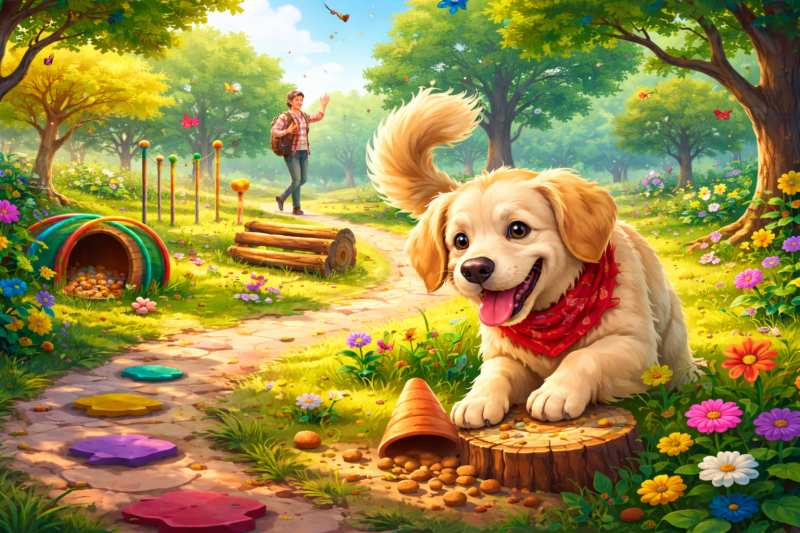 Your dog's nose is basically a supercomputer strapped to a wiggle-powered vehicle. A normal walk can be "go forward, sniff pole, repeat," or it can be a small adventure that leaves your dog pleasantly tired in the way a good puzzle does—calm, satisfied, and far less interested in redecorating the living room with your shoes.
Mental work on walks isn't about turning your neighborhood into boot camp. It's about giving your dog chances to choose, search, solve, and process the world. That kind of effort can be especially helpful for high-energy dogs, anxious dogs, adolescent dogs who believe every leaf is a personal insult, and older dogs who still want to "do something" even if sprinting is no longer on the menu.
Sniffing is studying
Dogs don't just smell "tree." They smell who was here, how long ago, what they ate, whether they were nervous, and possibly their opinions on squirrels. Sniffing is information gathering, and information gathering is work.Try a "sniff budget" walk: pick a route you already know, then deliberately slow down and allow several long sniff stops. Instead of pulling your dog away from every interesting patch of grass, give a cue like "go investigate" and stand still while they do their research. When it's time to move on, use a consistent cue like "let's go." Over time, your dog learns that sniffing isn't being taken away randomly—it's being managed fairly, like a tiny canine librarian with a schedule.
A serious note: if your dog is reactive or easily overwhelmed, sniffing can be a calming tool. Letting them sniff at a comfortable distance from triggers (other dogs, skateboards, that one trash can that exists purely to cause drama) can lower arousal and help them feel safer. Keep your leash loose, keep your voice calm, and don't rush the process.
Scent games you can play without looking suspicious
You don't need to scatter treats like a cartoon villain. Small scent games can fit naturally into a walk and look like you're simply pausing to admire absolutely nothing.Here are a few easy options:
- Find It Toss Toss a small treat into short grass and say "find it." Start easy so your dog wins quickly, then make it slightly harder by tossing it into leaf piles or a safe bush edge.
- Follow the Trail Walk a few steps, drop a treat, walk a few more steps, drop another, then turn and cue your dog to "search." Keep it short and safe—no tugging your dog across bike lanes in the name of science.
- Which Hand (Pocket Edition) Put one treat in one hand, present both, and let your dog choose. Yes, people may think you're practicing magic. Your dog will think you're finally using your powers for good.
Micro-challenges that build confidence
Adding small physical challenges makes the walk richer, but it should never feel scary or forceful. Think "low-stakes obstacle course," not "extreme sports highlight reel."Use your environment. Invite your dog to step up on a stable curb, walk along a wide flat wall edge (only if safe), hop over a small branch, or weave around two trees. Ask for a quick sit, a hand target, or a slow "wait" before crossing a driveway. These tiny moments ask your dog to pay attention and control their body, which is mentally tiring in a good way.
A serious note: avoid anything that strains joints, especially for puppies, seniors, or dogs with orthopedic issues. If your dog hesitates, don't coax with pressure. Back up, make it easier, and let them choose to engage. Confidence grows from success, not from being cornered into bravery.
Let your dog make small decisions
One overlooked mental exercise is choice. When dogs get to make safe decisions, they practice problem-solving and feel more in control of their environment. That sense of agency matters, especially for dogs that are nervous or easily overstimulated.Try offering controlled options: at a fork in the sidewalk, pause and let your dog pick left or right. Allow them to choose which patch of grass to investigate first. Ask for eye contact, then gesture toward two sniff spots and let them decide. These moments take only seconds but add up to a walk that feels interactive instead of scripted.
Keep boundaries clear. Choice doesn't mean chaos. If one direction leads to traffic or a neighbor's cat who runs a very intense security operation, calmly guide your dog away and offer another option. You're still the safety manager. Your dog is the assistant manager with a strong interest in smells.
Change the routine without changing your whole life
Dogs notice patterns faster than people notice they're being judged by their dog for leaving five minutes late. If every walk follows the same route at the same pace, your dog's brain goes into cruise control.Small changes can wake things up:
- Reverse your usual route once or twice a week.
- Walk slower for the first five minutes, then slightly faster later.
- Add one "exploration stop" where your dog gets extra sniff time.
- Switch the leash hand and walk on the opposite side of the sidewalk.
Use the walk to build emotional fitness
Mental workouts aren't just about clever tricks. They also shape emotional resilience. Calm exposure to everyday sights and sounds, paired with positive experiences, teaches dogs how to recover from mild stress and stay regulated.If your dog startles at loud noises or moving objects, don't rush them through it. Pause at a comfortable distance. Let them observe, sniff, and process. Reward calm behavior with soft praise or a small treat. Over time, this builds confidence and reduces reactivity. This is slow work, but it pays off in quieter walks and fewer "why is my dog suddenly auditioning for a dramatic role" moments.
Paws for Thought
A mentally rich walk doesn't require fancy gear or extra miles. It requires attention, flexibility, and the willingness to let your dog experience the world instead of dragging them past it. When walks include sniffing, choice, small challenges, and emotional practice, dogs come home not just tired, but satisfied.That satisfaction shows up later in subtle ways: fewer bored behaviors, easier settling at home, and a dog who looks at you after a walk with the relaxed expression of someone who solved a good puzzle and now deserves a nap. If that's not progress worth sniffing out, nothing is.
Article kindly provided by treatwiser.com
Latest Articles
- Why Your Body Repairs Some Injuries Quickly While Others Take Months
- Could Your Home's Plumbing Be Affecting Your Health Without You Realising?
- Toothache: When to Monitor, Call Soon or Seek Urgent Dental Care
- Your Donor Hair Is a Finite Resource: Why Hair Restoration Needs a Long-Term Budget
- Why Your Fitness Routine Needs More Easy Days, Not More Hard Ones
- The Hidden Hair Loss Triggers Most People Never Think About
- The Mouth-Body Connection Most People Ignore
- The Psychology of Texture in Wellness Photography
- When DIY Beauty Goes Too Far: Treatments Better Left to Professionals
- The Hidden Link Between Jaw Tension and Everyday Headaches
- Sleep Timing Shapes Hormones More Than You Think
- How Subconscious Habits Affect Your Skin Health
- Fragrance Fatigue Is Real: How Smaller Bottles Help Your Nose Stay Sharp
- Traveling with a Baby: Smart Packing Strategies for Modern Parents
- How Oral Health Quietly Influences Energy Sleep and Long Term Well Being
- How Emotions Affect Your Skin
- Everyday Walks as Brain Games for Your Dog
- How Light Weights Can Build Serious Strength
- Missing Dental Supplies and What They're Really Telling You
- Rethinking Early Intervention Strategies for Childhood Behavior Support
- Nutrition and Dietetics
- Exercise and Fitness
- Meditation and Yoga
- Mental Health
- Women's Health
- Men's Health
- Children's Health
- Senior Health
- Heart Health
- Sleep Health
- Skin Health
- Eye Health
- Dental Health
- Pain Management
- Addiction and Recovery
- Sexual and Reproductive Health
- Alternative Medicine
- Chronic Conditions
- Weight Management
- Occupational Health and Safety
- Public Health
- General Health Tips
- Beauty