

The Hidden Hair Loss Triggers Most People Never Think About
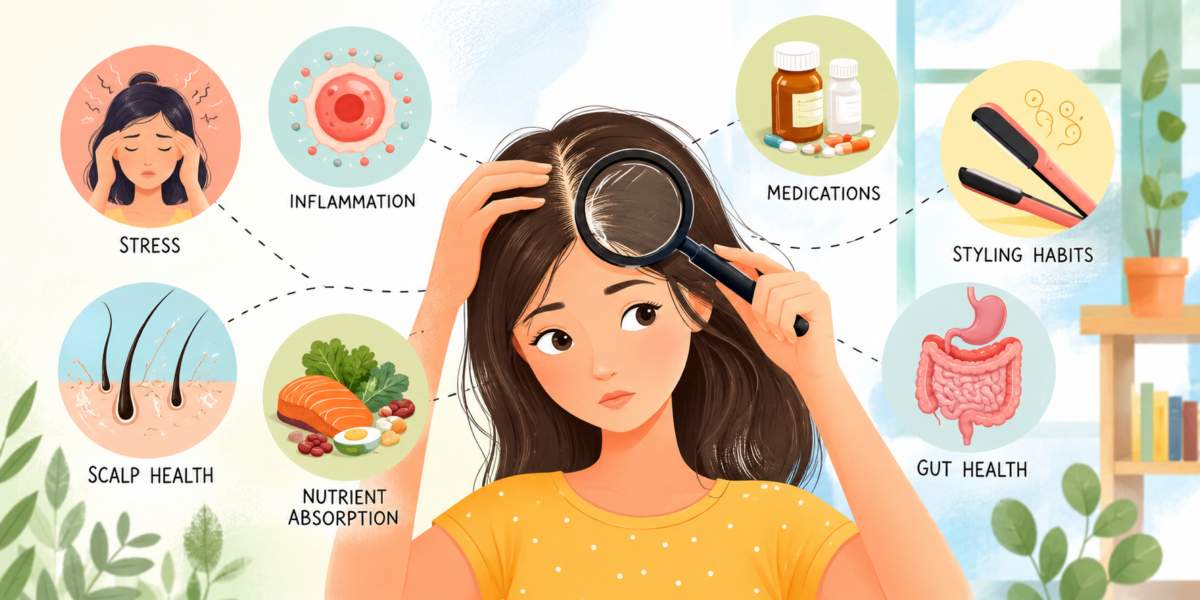 A hairbrush can sometimes become an unexpected detective, quietly collecting clues that something is changing. Most people immediately blame genetics when they notice extra strands on a pillow, in the shower, or clinging to a jumper like it has signed a tenancy agreement. While inherited hair loss is certainly common, it is far from the only explanation. Many cases of thinning hair are influenced by factors that receive far less attention, often because they are hiding in plain sight.
Before spending large sums on treatments, supplements, gadgets, or miracle oils with suspiciously enthusiastic reviews, it is worth investigating a few overlooked causes. In some situations, addressing the underlying issue can make a real difference. Hair does not grow in isolation. It responds to the body, the scalp, daily habits, stress levels, nutrition, medication, and even the way it is washed, brushed, tied, dyed, dried, and generally bullied before breakfast.
When Inflammation Becomes an Unwanted House Guest
Inflammation is useful when the body is fighting infection or repairing injury. Problems begin when inflammation lingers for months or years. Chronic inflammation can affect many systems in the body, including the skin and scalp. If the scalp is irritated, flaky, sore, itchy, or unusually sensitive, hair follicles may not be operating in ideal conditions.This does not mean every itchy scalp is a crisis. Sometimes shampoo is simply too harsh, the weather is dry, or a styling product has decided to behave like a tiny chemical villain. But persistent inflammation deserves attention. Conditions such as seborrheic dermatitis, psoriasis, eczema, or folliculitis can all interfere with scalp comfort and, in some cases, contribute to shedding or weaker growth.
A serious point matters here: inflammation-related hair loss is often easier to manage when the cause is identified early. Ignoring scalp discomfort while buying expensive hair products is a bit like repainting a wall while the roof is leaking.
Poor Scalp Health Is Not Just a Cosmetic Issue
The scalp is skin, not just the bit underneath the hairstyle. Oil buildup, dead skin, sweat, pollution, and leftover styling products can create an unhealthy environment. Hair follicles do not need a luxury spa retreat, but they do benefit from basic cleanliness and balance.Over-washing can strip the scalp. Under-washing can allow buildup. The sweet spot varies from person to person, which is deeply inconvenient but very human.
Nutrient Absorption Can Be Just as Important as Nutrient Intake
Many people focus on what they eat but spend less time considering what their bodies actually absorb. Hair growth requires a steady supply of nutrients, including iron, zinc, protein, vitamin D, and several B vitamins. Even a well-balanced diet may not guarantee that these nutrients are reaching hair follicles efficiently.Digestive conditions can sometimes interfere with absorption. Issues affecting the stomach or intestines may reduce the body's ability to extract nutrients from food. In some cases, deficiencies develop gradually, producing subtle symptoms long before a medical diagnosis is made.
Hair follicles are surprisingly demanding. They are not interested in excuses, good intentions, or photographs of healthy meals. They respond to what is available. When nutrient supplies fall short, the body may prioritise more critical functions and reduce resources devoted to hair growth.
This is one reason sudden or unexplained thinning should never be dismissed without investigation. Blood tests can sometimes reveal deficiencies that are contributing to the problem.
Medications That Rarely Make the Headlines
When discussing hair loss, medications are often overlooked. Yet a surprising number of commonly prescribed drugs can affect the hair growth cycle.Examples may include certain medications used for blood pressure management, depression, acne treatment, hormonal conditions, arthritis, and other chronic health concerns. Not everyone experiences hair-related side effects, but they can occur.
Hair growth follows a cycle involving growth, transition, and shedding phases. Some medications can push larger numbers of hairs into the shedding phase earlier than expected. Because hair grows relatively slowly, the connection is not always obvious. Someone may notice increased shedding several months after starting a new medication and never suspect a link.
Importantly, nobody should stop prescribed medication without consulting a healthcare professional. However, if hair loss appears unexpectedly, reviewing medication history can be a sensible step.
Everyday Styling Habits Can Slowly Add Up
Not all hair loss starts inside the body. Sometimes the problem comes from repeated physical stress applied to the hair itself.Common culprits include:
- Tight ponytails and buns
- Frequent use of hair extensions
- Excessive heat styling
- Repeated bleaching or chemical treatments
- Aggressive brushing or detangling
Hair is remarkably resilient, but even resilient things have limits. A hairstyle should not feel like it is attempting to pull thoughts directly out of the scalp.
Stress Is More Complicated Than Most People Realise
Stress is often mentioned whenever hair loss enters the conversation, but the relationship is more complex than many assume. Significant physical or emotional stress can disrupt the normal growth cycle and trigger increased shedding several months later.Major illness, surgery, rapid weight loss, grief, burnout, and prolonged emotional strain have all been associated with temporary shedding episodes. The frustrating part is the delay. By the time hair begins falling out, the triggering event may feel like distant history.
This delay often causes confusion. People search for a new shampoo, a recent haircut, or some mysterious external cause when the real trigger may have occurred months earlier.
Understanding this timeline can help prevent unnecessary panic while guiding more productive conversations with healthcare professionals.
Getting to the Root of the Matter
Hair loss is rarely as simple as it first appears. Genetics certainly play a role for many people, but chronic inflammation, scalp health problems, nutrient absorption issues, medications, stress, and everyday styling habits can all influence what happens on top of the head.Before investing in costly treatments, it makes sense to examine these often-overlooked factors. Sometimes the answer is not hidden inside an expensive bottle or a flashy marketing claim. It may be found in a medical check-up, a change in daily habits, improved scalp care, or a closer look at overall health.
Hair follicles may be small, but they are excellent communicators. When something is out of balance, they often find a way to get the message across—sometimes one strand at a time.
Article kindly provided by ailesburyhairclinic.ie
Latest Articles
- Could Your Home's Plumbing Be Affecting Your Health Without You Realising?
- Toothache: When to Monitor, Call Soon or Seek Urgent Dental Care
- Your Donor Hair Is a Finite Resource: Why Hair Restoration Needs a Long-Term Budget
- Why Your Fitness Routine Needs More Easy Days, Not More Hard Ones
- The Hidden Hair Loss Triggers Most People Never Think About
- The Mouth-Body Connection Most People Ignore
- The Psychology of Texture in Wellness Photography
- When DIY Beauty Goes Too Far: Treatments Better Left to Professionals
- The Hidden Link Between Jaw Tension and Everyday Headaches
- Sleep Timing Shapes Hormones More Than You Think
- How Subconscious Habits Affect Your Skin Health
- Fragrance Fatigue Is Real: How Smaller Bottles Help Your Nose Stay Sharp
- Traveling with a Baby: Smart Packing Strategies for Modern Parents
- How Oral Health Quietly Influences Energy Sleep and Long Term Well Being
- How Emotions Affect Your Skin
- Everyday Walks as Brain Games for Your Dog
- How Light Weights Can Build Serious Strength
- Missing Dental Supplies and What They're Really Telling You
- Rethinking Early Intervention Strategies for Childhood Behavior Support
- Keep Going: The Brain Science of Turning Setbacks Into Momentum
- Nutrition and Dietetics
- Exercise and Fitness
- Meditation and Yoga
- Mental Health
- Women's Health
- Men's Health
- Children's Health
- Senior Health
- Heart Health
- Sleep Health
- Skin Health
- Eye Health
- Dental Health
- Pain Management
- Addiction and Recovery
- Sexual and Reproductive Health
- Alternative Medicine
- Chronic Conditions
- Weight Management
- Occupational Health and Safety
- Public Health
- General Health Tips
- Beauty